Discover Pici Café & Wine Shop
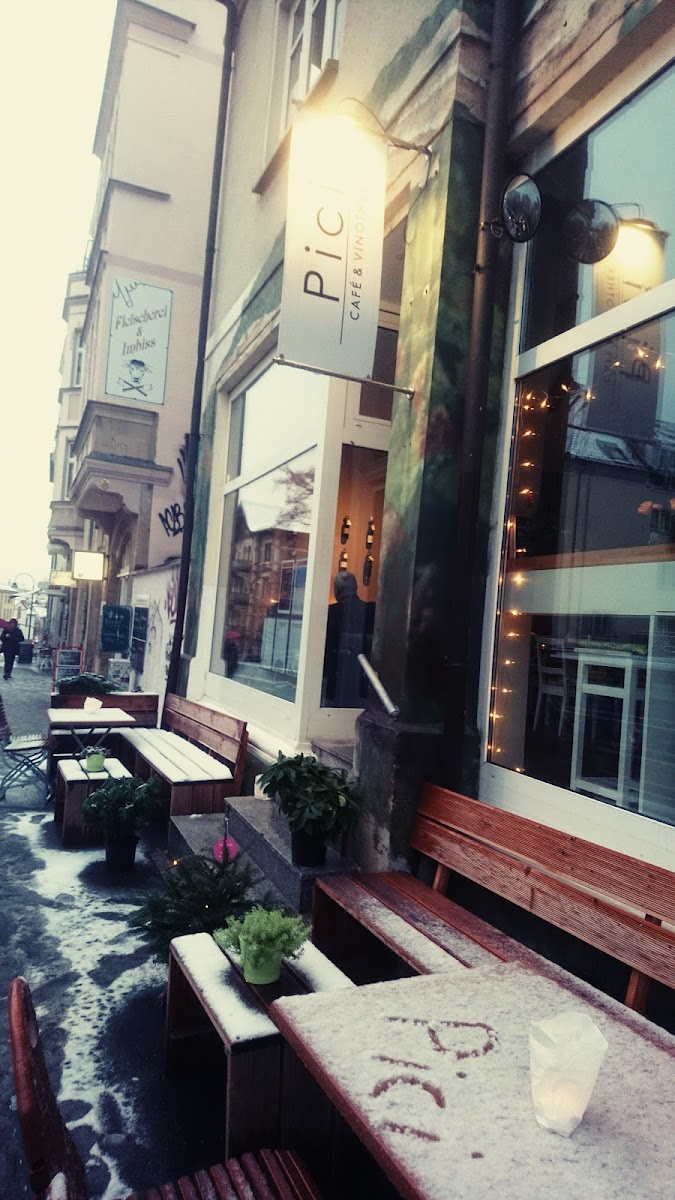
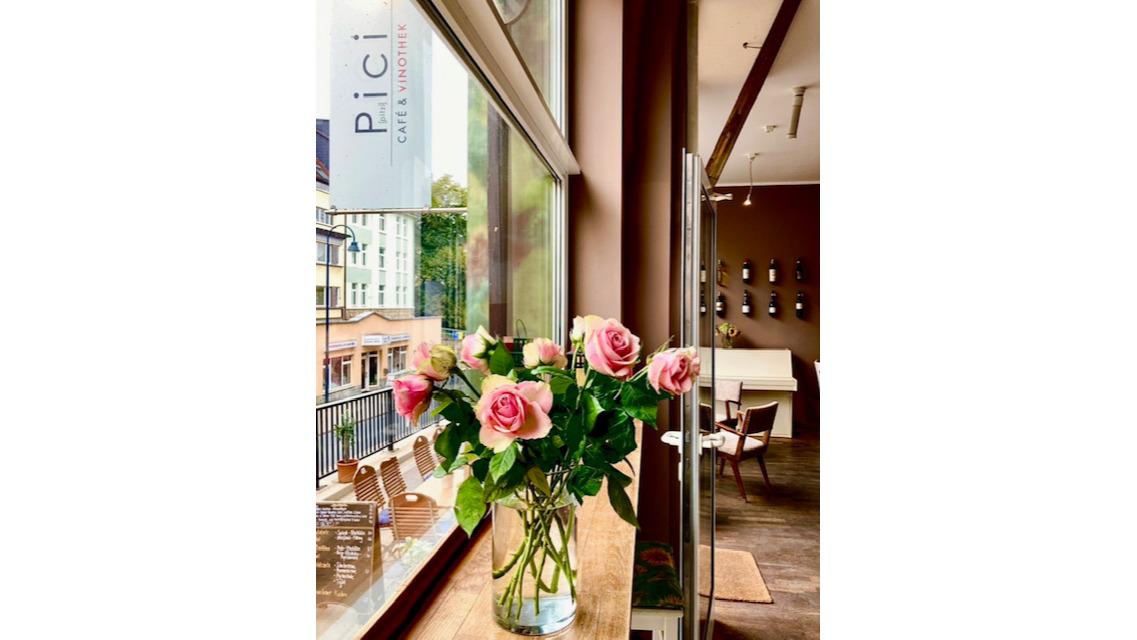
Walking along Westbahnhofstraße, there’s a point where the street noise fades into clinking glasses and the smell of simmering sauce, and that’s where Pici Café & Wine Shop makes its presence known. Tucked at Westbahnhofstraße 5, 07745 Jena, Germany, this spot feels less like a formal restaurant and more like someone’s very well-stocked kitchen that happens to welcome the public. I first stopped in on a rainy weekday, the kind of day when you’re craving warmth more than anything, and the place delivered exactly that.
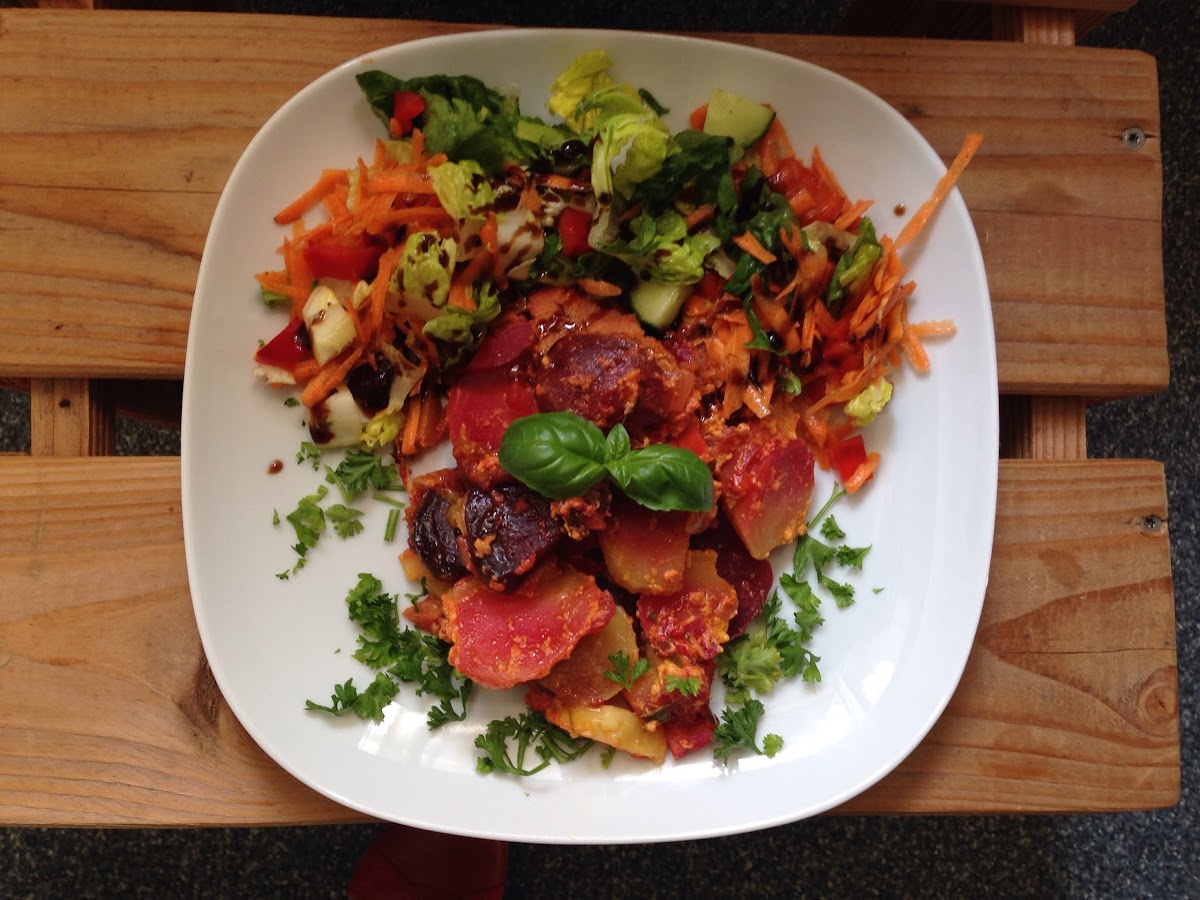
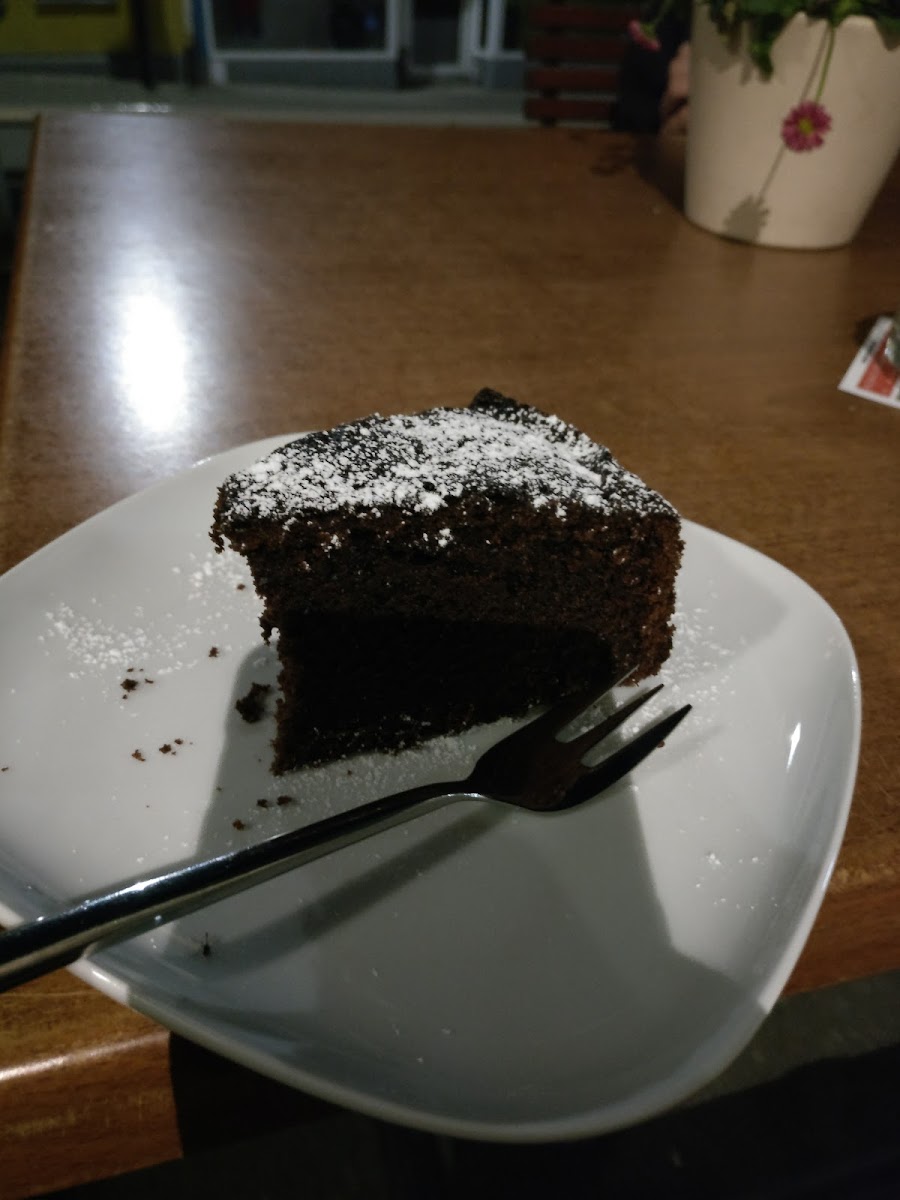
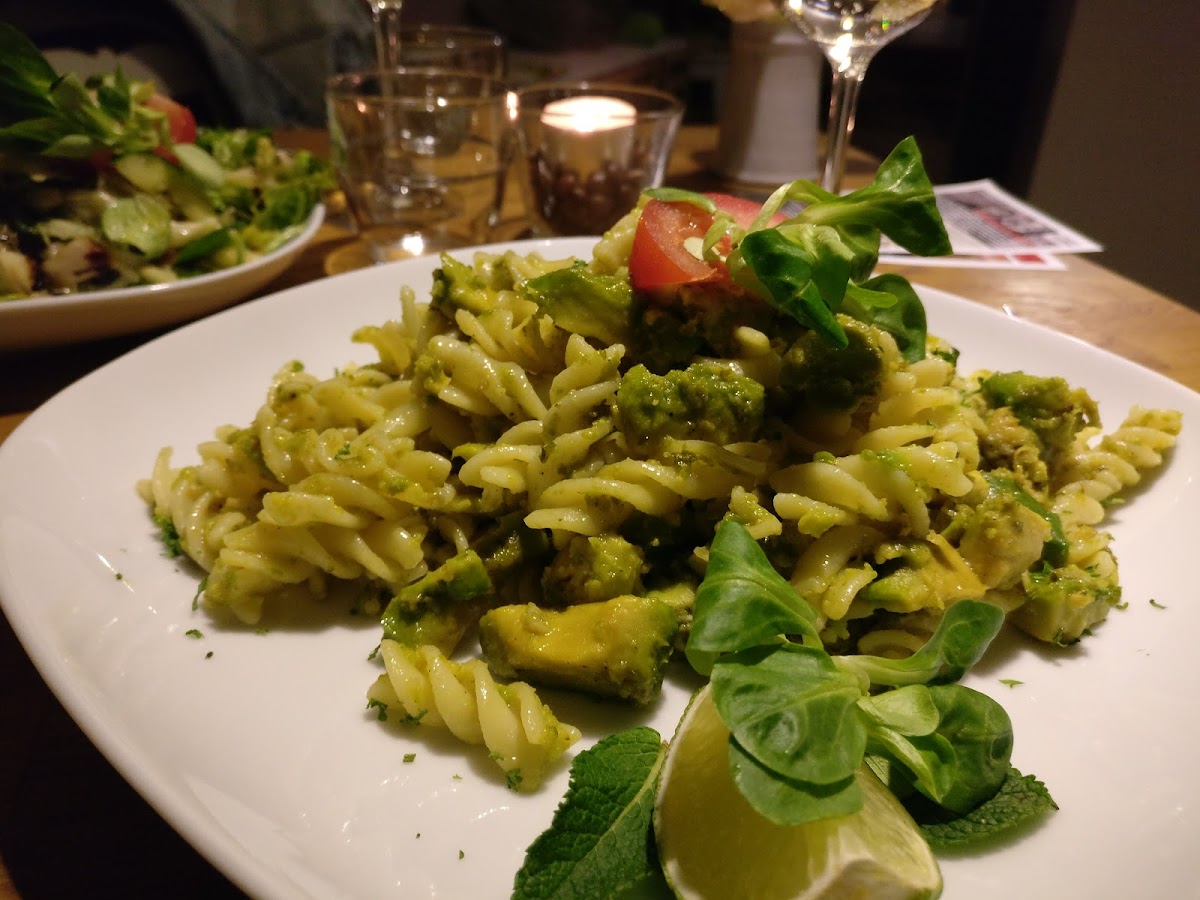
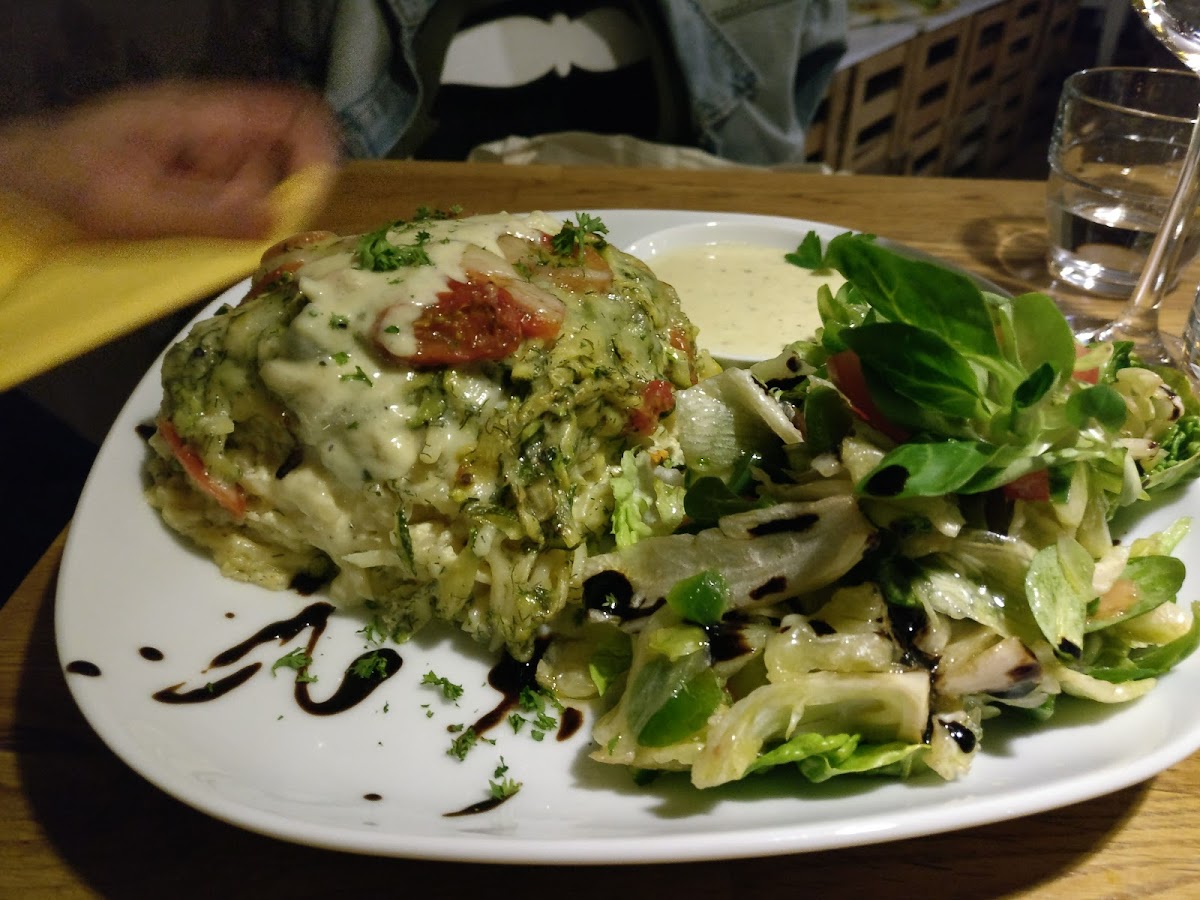
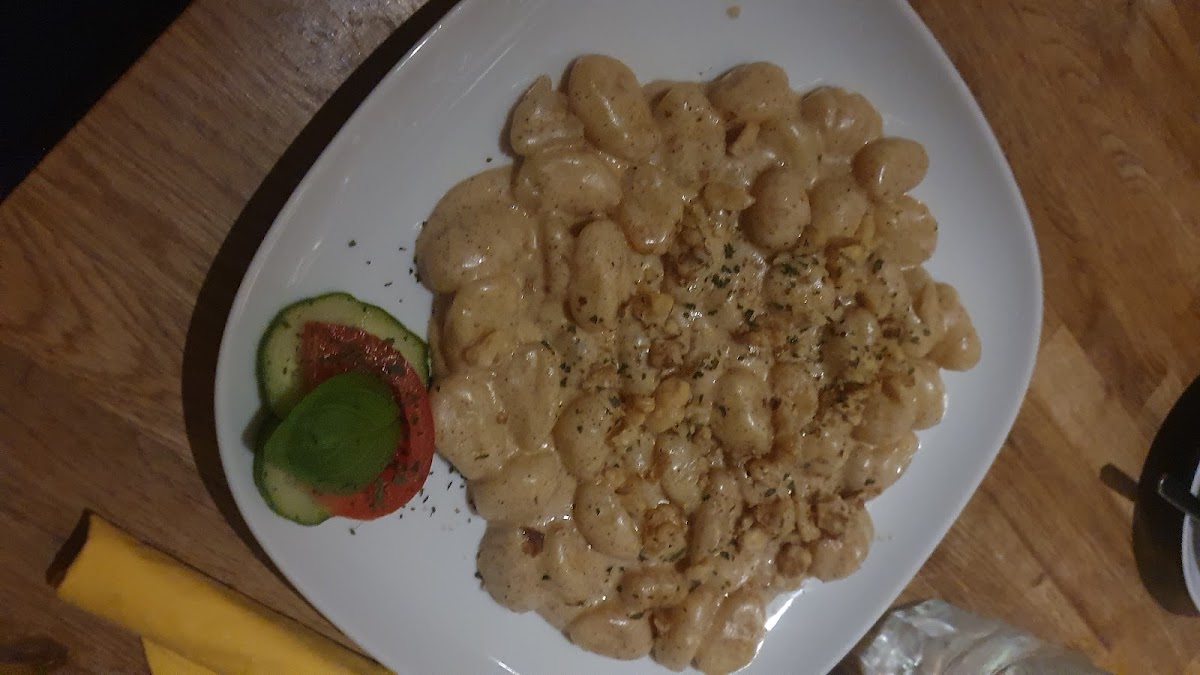
The menu leans into Italian comfort food without trying to overcomplicate things. Pici pasta, thick and hand-rolled, takes center stage, and watching it arrive at the table explains why food historians often describe traditional Tuscan pasta as a vehicle for sauce rather than the other way around. According to culinary research from Italian food institutes, thicker pasta shapes hold up better to slow-cooked sauces, which is probably why the ragù here tastes so balanced instead of heavy. You can tell the kitchen respects that logic. Dishes come out looking rustic, not styled for photos, and that honesty works in their favor.
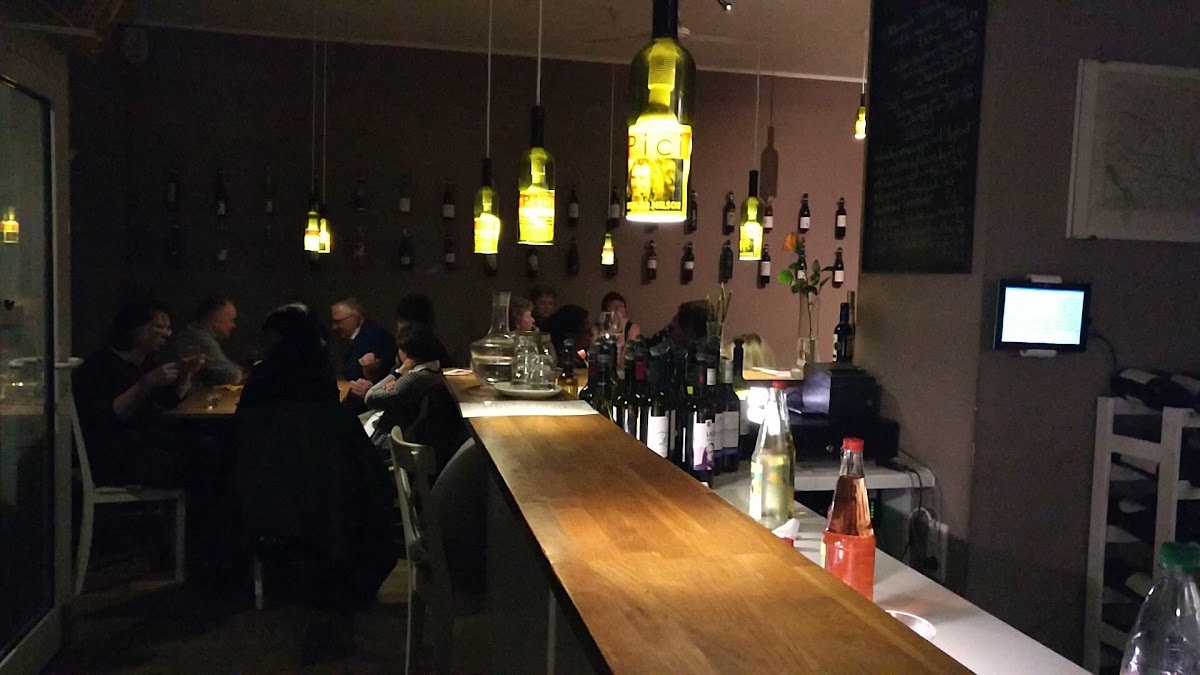
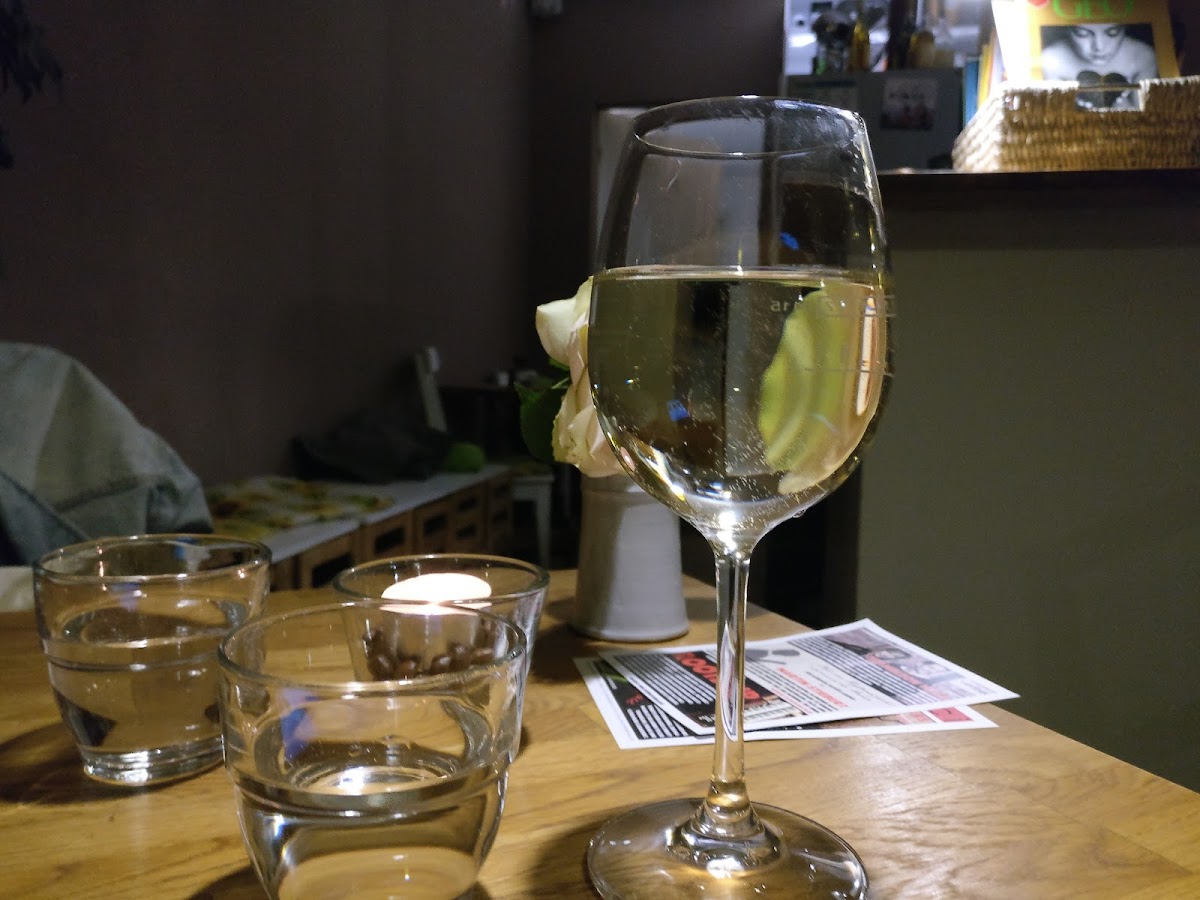
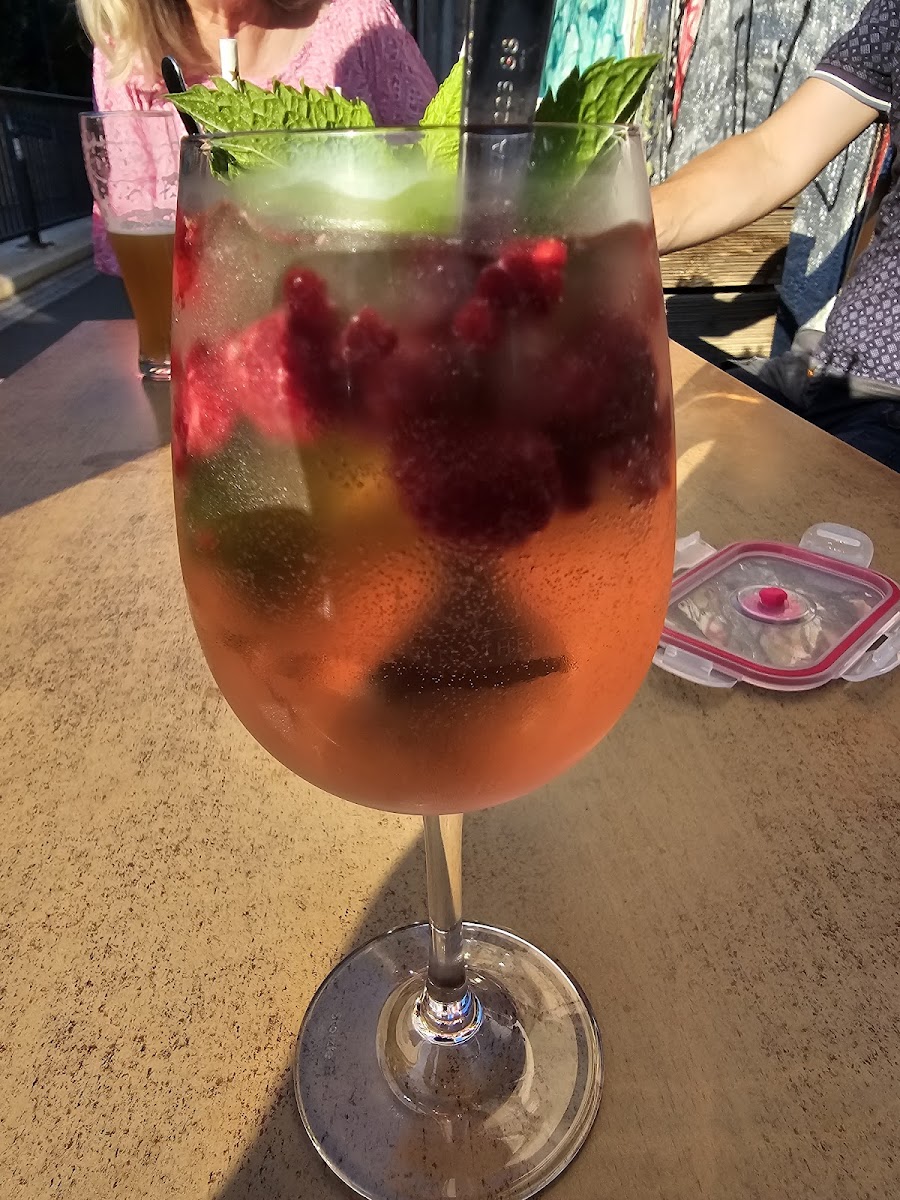
What really stands out is how the café blends dining with a wine shop experience. The shelves aren’t decorative; they’re functional. Staff members talk comfortably about grape varieties, regions, and pairing ideas without slipping into sommelier jargon. During one visit, I watched a couple choose a bottle based on a quick taste and a short explanation about acidity levels and how they interact with tomato-based sauces. Wine researchers from organizations like the International Organisation of Vine and Wine consistently note that acidity and tannin balance play a bigger role in food pairing satisfaction than price, and that philosophy clearly guides the selection here.
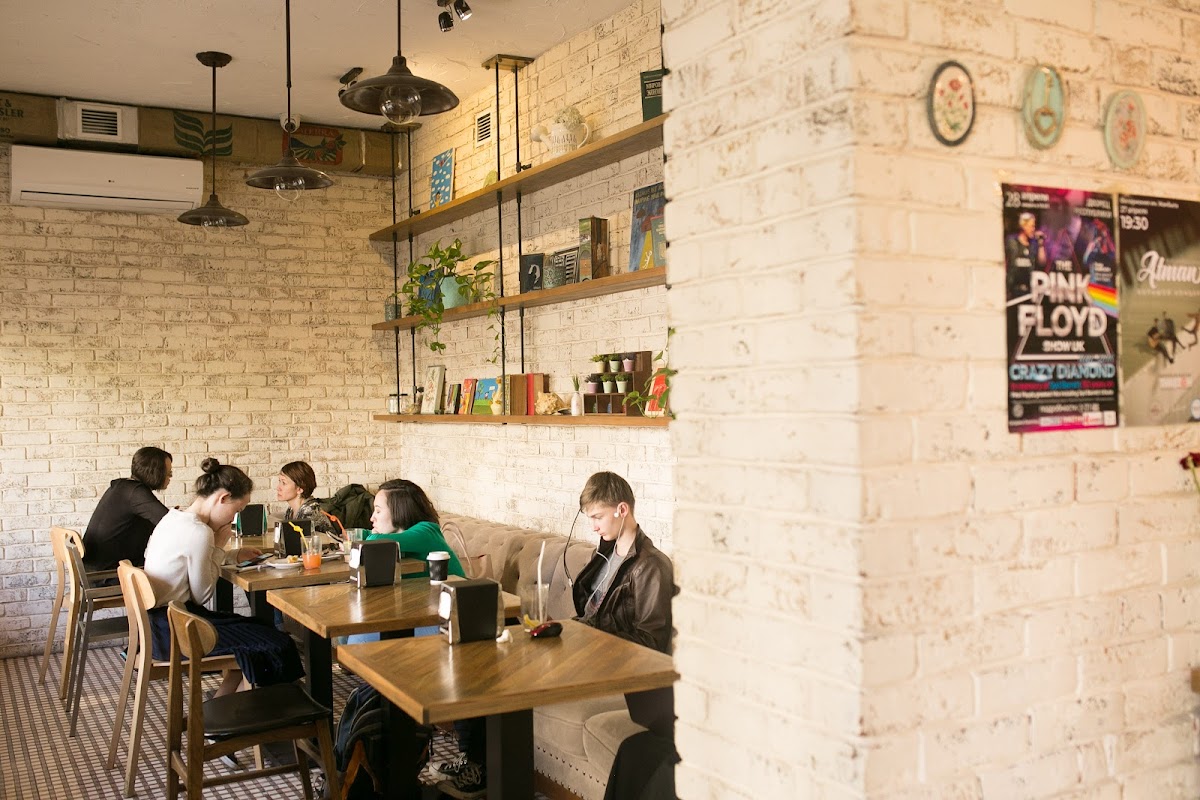
Reviews from locals often mention how approachable the atmosphere feels, and that tracks with my experience. You’ll see students, regulars from the neighborhood, and the occasional wine enthusiast comparing notes at nearby tables. It’s casual, but not careless. Orders are taken with attention, and dishes arrive at a pace that encourages conversation instead of rushing you out. From a service perspective, that’s a smart method. Hospitality studies published by European tourism boards show that diners rate experiences higher when meal timing aligns with social interaction rather than speed alone.
The café side and the wine shop side work together naturally. If you like what you’re drinking, you can buy a bottle to take home. That simple process builds trust because there’s no pressure, just information. I once asked about a wine I didn’t end up liking, and instead of pushing a sale, the staff explained why it might not suit my usual preferences. That kind of transparency is rare and refreshing, and it’s probably why repeat customers keep coming back.
Location-wise, being on Westbahnhofstraße makes it easy to drop in after work or before catching a train. The space isn’t huge, which can mean limited seating during peak hours, and that’s worth knowing before you arrive. Menus can also shift slightly with availability, especially when ingredients are sourced seasonally, so what you read in older reviews might not always match what’s on offer today. Still, that flexibility usually signals care rather than inconsistency.
What ties everything together is a sense of intention. From the way pasta is prepared to how wines are explained, there’s a clear process behind each decision. It’s not about trends or showing off expertise; it’s about making good food and good wine feel accessible. For anyone browsing restaurant reviews in Jena and wondering where to find a place that feels genuine, this café and wine shop quietly makes a strong case just by doing things right, one plate and one glass at a time.